BURRO TRAIN to the WILD OTEROS RIVER: New Campsites Every Night!
10 Day Trip from Los Mochis (4 nights Hotel, 5 nights Camping); and First Class Train . . . $2199.00 per person, double occupancy |
|
 |
Day One: Arrival by Air
Our recommended itinerary begins at the airport in Los Mochis, Sinaloa(Airport code: LMM). You will be met by your guide Cathy for your transfer to the hotel in El Fuerte. Relax and Enjoy the tropical atmosphere with a cool coconut drink, expertly opened with a machete before your eyes, or sip a margarita prepared from local oranges. Ask about an optional second night in El Fuerte, a colonial town founded in 1564 by Don Francisco de Ibarra, steeped in history. You can take a day to enjoy a river trip that highlights local birds or ancient petroglyphs.
Alternatively, you can begin your trip independently in Chihuahua, Chihuahua (Airport code: CHH); the town so nice, they named it twice. From there, you can bus (5 hrs) or train (8 hrs) to the trailhead, and join the Hiking Only portion of the trip. Chihuahua highlights include the church plaza, and the Pancho Villa museum in the Quinta Luz mansion. A group of 8 or more, booking a trip together, may change the recommended itinerary, and be met at the Chihuahua airport. You'll leave the next day for the trailhead by bus.Day Two : Arrive at the Canyon Rim (10-day Rim Rendezvous Arrivals)
We leave El Fuerte to begin the ascent from sea level to over 8000 feet on the famous Chihuahua al Pacifico (CHEPE) train. This ride is rated one of the most spectacular rail journeys in the world! In fact the Society of International Railway Travelers included it in their "25 Best Loved Railway Journeys" book published in 2007. Notice the life zone changes as we ascend. We leave the humid tropics passing through banana and citrus orchards. The Sonoran desertscape offers a wide variety of cactus and other succulents that contrast starkly with the coconut and date palms near the coast. As we gain elevation, waterfalls appear in the faraway cliffs, and the overwhelming shades of green plants dazzle the eyes. Look sharp; the train transits the Temoris Valley three times in an attempt to gain elevation.The Apachean Madrean woodland makes its appearance, with over 100 species of oak. The complete rail journey is punctuated by 88 tunnels and 39 bridges. Posada Barrancas, our departure point in mid afternoon, is located in a pine forest on a high mesa. Toward sunset we'll take a walk to the canyon rim. It will take your breath away; not just the scenery, but the lack of air.... The optional "canyon rim rendezvous" begins here with a night at Lola's for those arriving independently. Call for suggested itinerary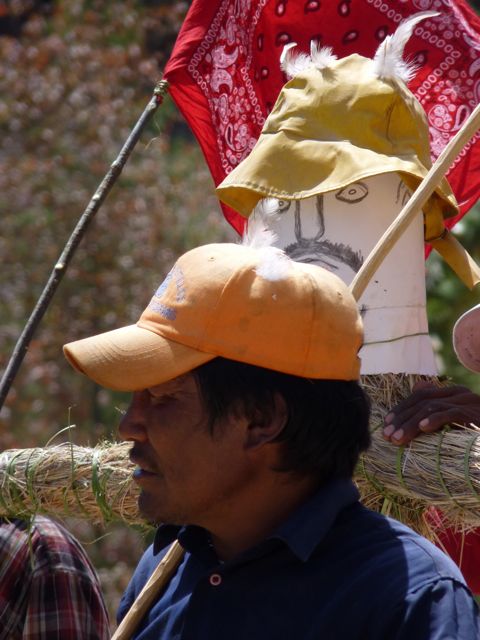 |
Day Three
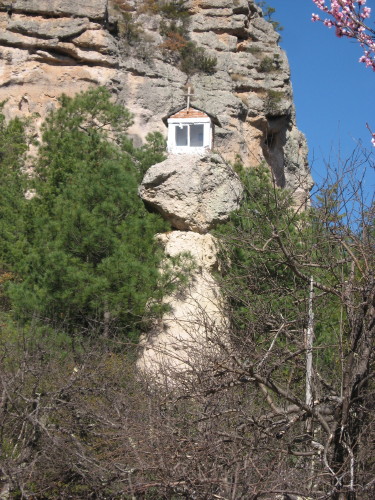
We meet our local guides and arrieros (Spanish for burro drivers) after a hearty breakfast. A long gentle descent takes us to a pastoral valley for lunch. Our guide Jilo's dad homesteaded this rancho called Manzano when he was working on the Chihuahua al Pacifico railroad. Not far away, weird rock formations stand sentry over our campsite that night under a brilliant canopy of stars, satellites, planets and meteors.Day Four
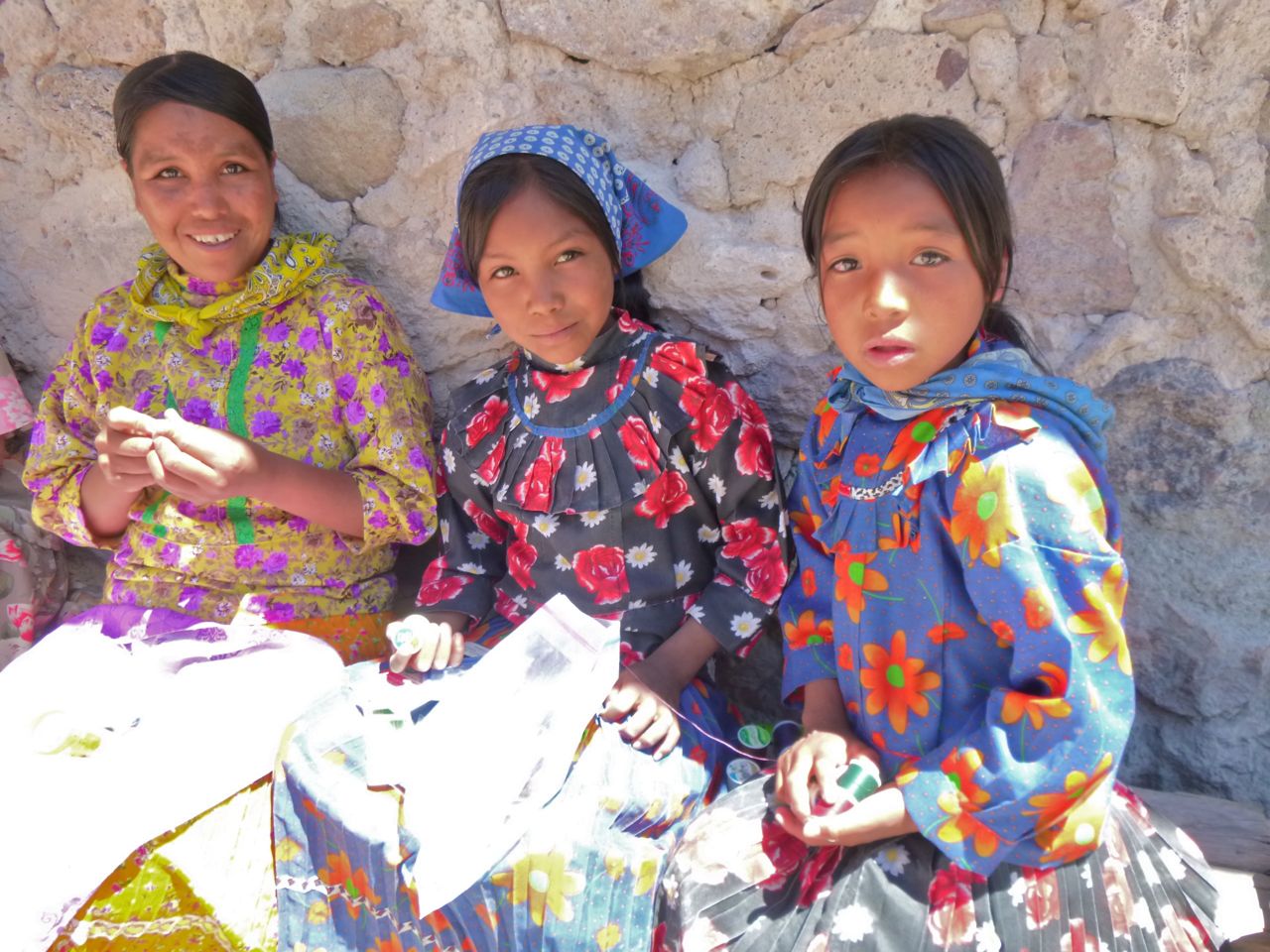
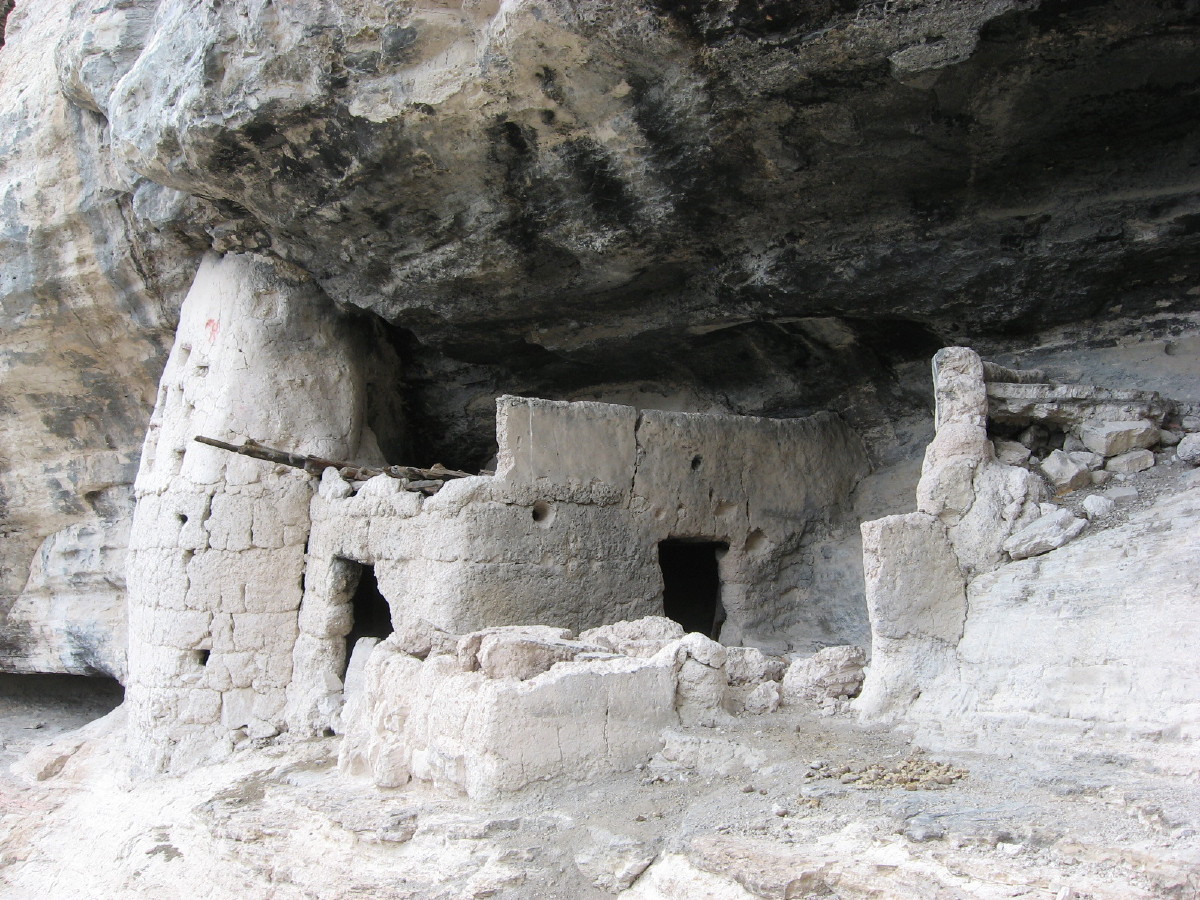
We start hiking after breakfast. Small homesteads nestle in valleys between canyon narrows. You might see a Tarahumaran splitting cedar shingles for a roof, or plowing his tiny, rocky field with a wooden plow pulled by a cow. Typically, oak plowshares are hardened in a fire; so are the oak wedges used to split shingles, using an axehead passed down for generations. Ruins and pictographs give evidence that these locals weren't the first to inhabit these fertile fields.Day Five
We arrive at the river high up on its journey to the sea. Enjoy hiking and swimming. Upstream about a mile the San Jose Guacayvo joins the Oteros.Day Six
We leave the river as it begins a fast descent in a tight narrows. This is the starting point for the half-day canyoneers' route downstream. Naturally, we have to make up the elevation when we exit! The river descends abruptly, while the hike traverses and begins to ascend. Camp is in a tiny remote village inaccessible by vehicle. A small visit maintains the Tarahumarans' link to the Catholic religion, and functions as their social center for festivities. These normally shy villagers have begun looking forward to our arrivals. We'll show you the secret handshake….Day Seven
 |
Day Eight
Corn fields and orchards abound in this broad valley. Peach, plum, and apple trees blossom in the spring. The highest part of this valley shows evidence of a dam. Back on the rim, the guesthouse has Hot Showers and Cold Drinks waiting!Day Nine
Breakfast and transfers for the train to El Fuerte which leaves about 12:30. Alternatively, continue to Chihuahua by bus, or spend the day at Divisadero's "Parque Adventura Tarahumara" with the world's longest Tyrolean Traverse at 2.4 kilometers.Day Ten
Breakfast and Transfer to Airport in Los Mochis(LMM)